Loading...
Serving Miami Gardens, FL and surrounding areas. (305) 810-8732
Building on a bad foundation costs far more to fix later. We handle permits, soil prep, moisture barriers, and inspections so your slab is done correctly from the ground up.
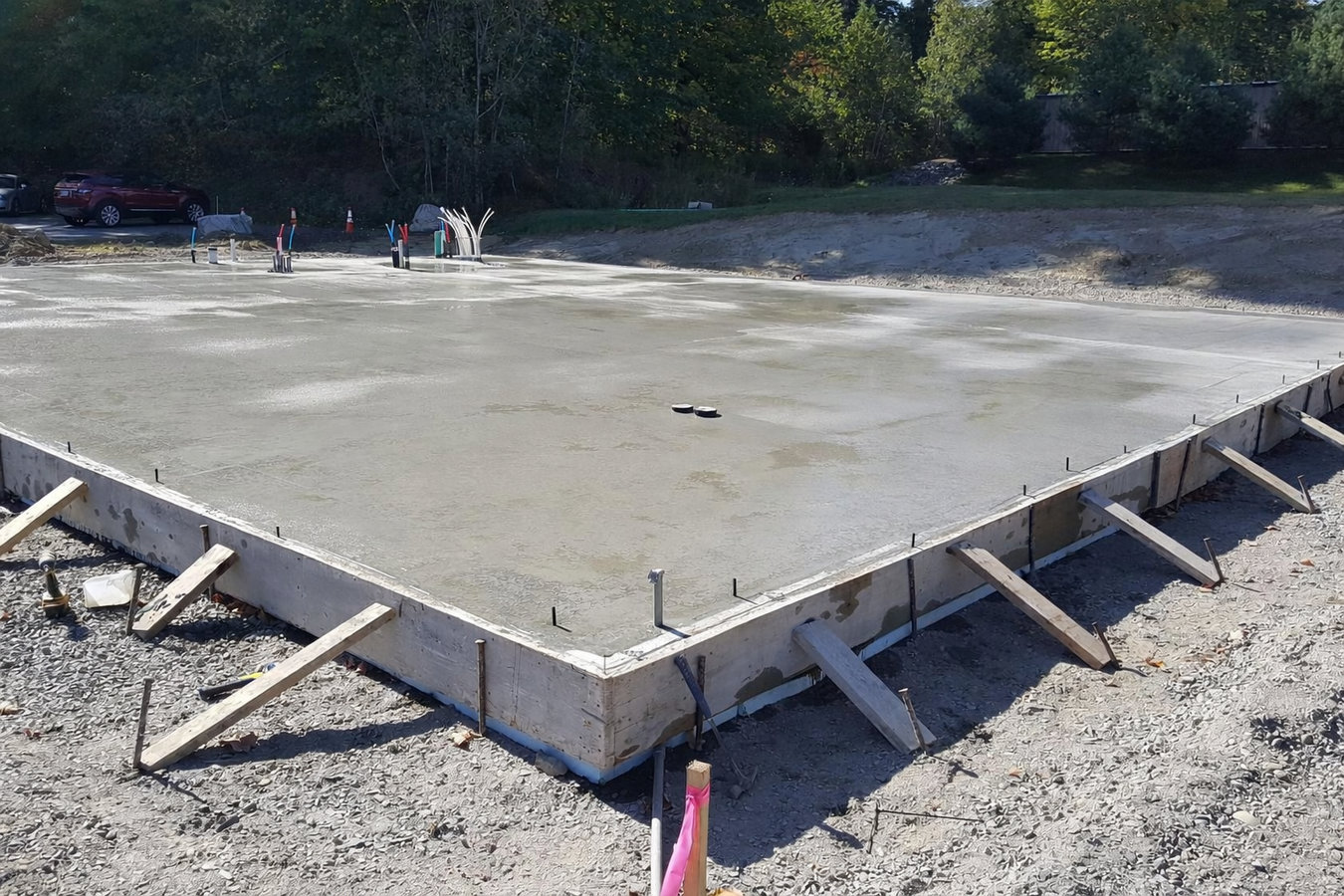
Slab foundation building in Miami Gardens means pouring a reinforced concrete base directly on prepared ground, typically four to six inches thick with thickened edges. Most residential projects run two to four weeks from first contact to a county-inspected finished slab.
Almost every home in Miami Gardens sits on a slab, and for good reason. With a water table that sits close to the surface and sandy, oolite-rich soil beneath your yard, a well-built slab with a proper moisture barrier is the right foundation for this area. If you are adding a room or a new structure, you will need concrete footings under the thickened edges to properly distribute the load.
We have worked on slab projects throughout Miami Gardens for additions, accessory dwelling units, and full new-construction pours. Every project goes through Miami-Dade County permitting and inspection - no exceptions.
If you are starting a new home, room addition, garage, or accessory dwelling unit, you need a slab beneath it. No structure in Miami Gardens can be built without a foundation, and a concrete slab is the standard here. It is the first step in any new construction project.
Small hairline cracks in an existing concrete floor are often harmless. But cracks wider than a credit card's thickness, diagonal cracks from door frame corners, or cracks that keep getting longer signal that the slab may be moving. In Miami Gardens, sandy soil that was not properly compacted before the original pour is a common cause.
When a slab shifts, the walls above it shift too. Doors and windows that suddenly stick, drag, or no longer latch correctly are often the first sign homeowners notice. This is especially worth paying attention to in older Miami Gardens homes built before current soil preparation standards were in place.
Miami Gardens' high water table means moisture pressure from below is a constant reality. Water stains on a concrete floor, dampness under area rugs, or a musty smell coming from the floor can mean the moisture barrier failed or was never installed correctly. Left alone, this can lead to mold growth and damaged flooring.
Our slab foundation work starts with site preparation - grading, compacting the soil, laying gravel, and installing the moisture barrier before a single yard of concrete arrives. We then set forms and place steel reinforcing bar or wire mesh before the county inspector reviews the setup. Only after that inspection is passed do we pour. If your project also requires foundation installation for a larger structure, we handle that work under the same permit process.
After the pour, we manage the curing period - keeping the surface moist in Miami's heat to prevent surface cracking. The county final inspection comes next, and we handle the scheduling so you are not chasing inspectors. We also coordinate any required concrete footings for load-bearing walls and edges so everything is engineered to match your building plans.
Ideal for new construction in Miami Gardens where a permitted slab from the ground up is required.
Suited for homeowners adding square footage who need a new slab tied into an existing structure.
For property owners adding a detached unit and needing a stand-alone foundation with its own permit.
For existing slabs with shifting, cracking, or moisture intrusion that goes beyond surface-level fixes.
Miami Gardens has a groundwater table that sits very close to the surface, sometimes just a few feet down after heavy rain. That reality shapes every step of a foundation pour. The moisture barrier is not a nice-to-have here. Skipping it or installing it carelessly is one of the most common causes of damp floors and mold problems we see in homes across the city. We also work with Miami limestone and sandy soil conditions that require extra attention during the compaction phase - rushing that step leads to uneven slabs years down the road. Homeowners in Hialeah and North Miami face the same soil and water table conditions, and we bring the same preparation standards to every project across the region.
Miami-Dade County also has some of the strictest building codes in the country, significantly tightened after Hurricane Andrew in 1992. Your slab is not just a floor - it is the anchor for the walls and roof above it, and the connections between them must meet specific wind-resistance standards. A properly permitted slab here gets independently inspected to confirm those connections. Working with a contractor who knows Miami-Dade permit timelines, inspector schedules, and local code amendments keeps your project on track rather than stalling it with avoidable stop-work orders.
We ask about the project address, the size of the slab, and whether permits are already in place. We schedule a site visit before giving you a firm price - anyone who quotes without seeing the property first is guessing. We reply within one business day.
We apply for the required building permit through Miami-Dade County. This is not optional - it is required, and we handle it on your behalf. Approval can take a few days to a few weeks depending on project complexity and current volumes.
Once permits are approved, we clear and grade the site, compact the soil, lay the gravel base, and install the moisture barrier. In Miami Gardens, this prep work is especially important given the high water table. Expect one to three days for this phase.
We set forms, place reinforcing steel, and schedule the county pre-pour inspection. After inspector sign-off, we pour. The crew aims to finish before midday to avoid Miami's afternoon heat. The slab then cures for at least seven days before framing begins.
We handle permits, inspections, and scheduling - you focus on your project. No pressure. Free estimate.
(305) 810-8732Every slab foundation we build in Miami Gardens goes through Miami-Dade County's building department with a full permit and the required pre-pour inspection. We never suggest skipping that step. An inspected slab gives you a clean paper trail when you sell, refinance, or file an insurance claim.
With groundwater close to the surface across Miami Gardens, we install the moisture barrier with the same care as the concrete itself. Gaps or shortcuts in this step are what cause damp floors and musty smells years later. We do not cut corners here because we have seen what happens when others do.
We break out every cost in writing before a shovel touches your property - materials, labor, permits, and site prep listed separately. You know exactly what you are paying for, and you can compare our estimate fairly against any other contractor you are considering.
Miami-Dade County enforces some of the toughest building standards in the country, and our work is built to meet them - not just pass inspection. The Miami-Dade County Building Department maintains public records of every permitted project, so you can verify our work independently.
Every one of these proof points comes back to the same thing: a slab foundation is the base everything else depends on, and this is not the place to find out later that something was skipped. We build them the right way the first time.
Full foundation installation for larger structures requiring detailed soil assessment and Miami-Dade County permit management.
Learn MoreThickened-edge and isolated footings that carry the load from walls and columns down through your slab into stable ground.
Learn MoreMiami-Dade permit seasons fill up - the sooner you reach out, the sooner we can lock in your start date and keep your project on schedule.