Loading...
Serving Miami Gardens, FL and surrounding areas. (305) 810-8732
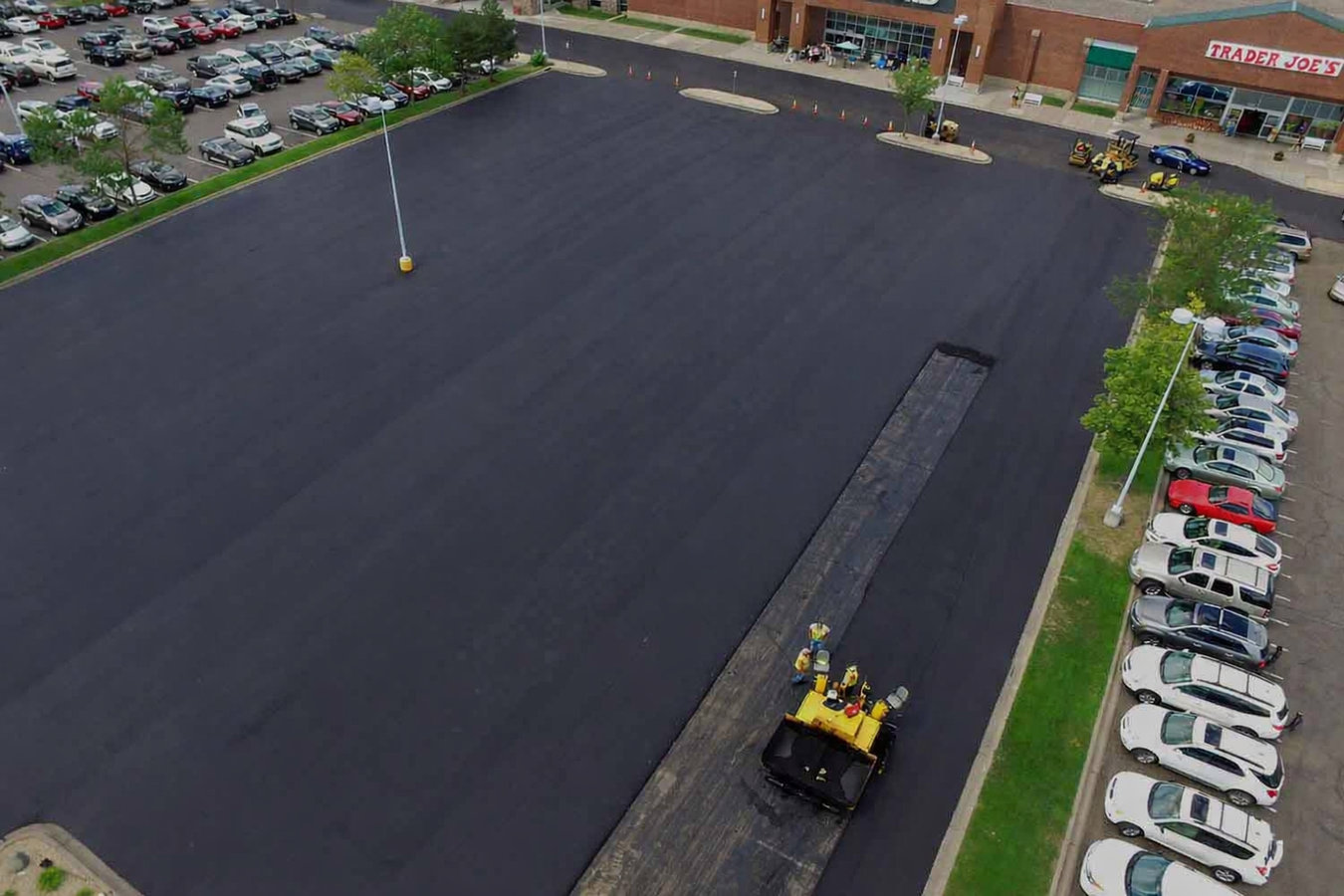
A parking lot that floods after every summer storm or cracks within two years is not a finished job. We design for drainage first, build the base right for South Florida soil, and handle every Miami-Dade permit and inspection for you.
Concrete parking lot building in Miami Gardens means grading and compacting the base for South Florida soil, designing drainage from the start, pouring a reinforced slab, cutting control joints, and passing a Miami-Dade County inspection. Most residential or small commercial lots take three to seven days of active work, with a full timeline of four to six weeks including permitting and curing.
Miami Gardens gets around 60 inches of rain per year - most of it in heavy bursts between June and October. That means drainage is not a detail you address at the end. It is the first design decision we make before anything is ordered. A lot that does not slope correctly will pool water after every afternoon storm, and standing water slowly undermines even a well-poured slab. If you are also thinking about your concrete driveway, we can coordinate both scopes to make sure water management works across your whole property.
Whether you are building a new lot from scratch or replacing a surface that has cracked, shifted, or flooded one too many times, the permit and inspection process is required in Miami-Dade. We handle all of that on your behalf so you are not navigating county paperwork on your own.
If your parking surface holds water for an hour or more after a typical Miami Gardens afternoon storm, your drainage is not working. Standing water works its way into cracks and weakens the base underneath. In a city that gets five or six months of heavy rain, a surface that does not drain properly will deteriorate far faster than one that does.
Small hairline cracks in older concrete are normal, but cracks that are widening, spreading, or have edges sitting at different heights point to the base shifting. Miami Gardens' sandy soil can settle unevenly, especially after years of wet-dry cycles, and once cracks reach a certain size, patching becomes only a temporary fix.
If the top layer of your parking surface is breaking into chunks or the surface feels rough and uneven, the concrete has reached the end of its useful life. South Florida's combination of UV exposure, heat, and frequent wet-dry cycles accelerates this kind of deterioration. Resurfacing is rarely worth the investment at this stage - a new slab serves you better and longer.
If you have added a garage, carport, or additional units and the existing parking area no longer fits the number of vehicles, a new concrete lot is the most durable long-term answer. Gravel or pavers may seem cheaper upfront, but in Miami Gardens' rainy season they shift, wash out, and require ongoing maintenance that concrete simply does not.
We begin with a site visit to measure the area, check existing drainage patterns, and assess soil conditions. Miami Gardens sits on sandy, loosely packed soil in many areas, which means the gravel base layer needs to be thicker and more carefully compacted than it would be elsewhere. After we quote the job, we apply for the Miami-Dade County building permit, prepare the site, pour the slab, and cut control joints to manage cracking. If you need concrete footings for a wall, carport, or structure adjacent to the lot, we can include that scope in the same project to reduce scheduling and mobilization overhead.
Every lot we build is designed so water moves off the surface and away from your building. We walk you through the grading plan before the pour, not after. We also coordinate the county inspection and final walkthrough, and if line striping was included in your contract, that is completed after the slab has fully cured. For homeowners who want to pair the lot with a concrete driveway, we design both surfaces to drain as a single system rather than two separate projects that may work against each other.
For homeowners who need more paved parking and want a durable surface built to South Florida's drainage and soil requirements.
For small businesses and multi-unit properties in Miami Gardens that need a properly permitted, inspected commercial paving job.
For properties where the existing surface has failed - cracking, sinking, or flooding - and needs to be removed and rebuilt from the base up.
For properties where the current footprint is too small or the drainage is wrong, combining new concrete with corrected grading across the site.
Miami Gardens receives roughly 60 inches of rain per year, with the heaviest storms arriving in quick, intense bursts from June through October. A parking surface that is not graded correctly from the start will collect water after every summer storm - and standing water is the single biggest threat to a concrete slab's long-term performance. Contractors who design the drainage as an afterthought end up with lots that look fine on day one and start showing problems within two or three years. Homeowners in Doral and Hialeah face the same wet-season pressure, and every lot we build in this region starts with a drainage plan before we calculate anything else.
South Florida's sandy, loosely packed soil also means the base layer under your slab needs more attention than it would in other parts of the country. A thin or poorly compacted base will allow the slab to shift and crack within a few years, particularly after repeated wet-dry cycles. Miami-Dade County's permitting process works in your favor here - county inspectors verify the drainage design before sign-off, which gives you an independent check that the work meets minimum standards. South Florida's intense sun also requires careful curing after the pour; experienced local contractors schedule pours for early morning and use curing compounds to slow surface drying and protect the finished slab. You can learn more about concrete pavement standards from the Federal Highway Administration and the Portland Cement Association.
We visit your property, measure the area, check how the ground drains, and ask how the lot will be used. This visit is free and takes about 30 to 45 minutes. We reply within one business day of your first inquiry and send a written quote that breaks down every cost.
After you approve the quote, we submit the permit application to Miami-Dade County. Approval typically takes two to three weeks - this is the right time to plan your parking arrangements for when the lot is out of service.
Once the permit is in hand, we clear the site, grade the soil for correct drainage slope, and compact a gravel base layer. This step takes one to two days and is the most important factor in how long your finished lot lasts.
Concrete is poured early morning to avoid South Florida's peak heat. Control joints are cut, a curing compound is applied, and the lot stays off-limits for at least seven days. We then schedule the county final inspection and walk the finished surface with you before we close out the job.
We visit your site, assess drainage and soil conditions, and send you a written quote that itemizes every cost - no surprises at invoice time.
(305) 810-8732Every lot we build starts with a grading plan that moves water off the surface and away from your property. We walk you through the drainage design at the estimate stage - not after the concrete is already down. That one step prevents the standing-water problems that shorten the life of most lots in this climate.
Miami Gardens sits on sandy, loosely packed soil that compresses and shifts under load. We compact a gravel base layer to a depth that accounts for local conditions - not a national average. That preparation is what keeps the slab above it level and crack-free through years of wet-dry cycles.
We apply for the permit, coordinate with the county building department, schedule the inspector, and close out the permit after the final walkthrough. You do not need to interact with the county once during the project. A permitted and inspected lot is also on record, which matters when you sell or refinance.
Our quotes itemize materials, labor, base preparation, permit fees, and cleanup separately. If something changes during the project - an unexpected soil condition, for example - you hear about it before we act, not at invoice time. The Florida Department of Business and Professional Regulation maintains a public license lookup so you can verify any contractor before signing.
South Florida's climate puts more stress on paved surfaces than most of the country. Every decision we make - from the base depth to the morning pour schedule - is shaped by working in this specific environment. That local experience is what separates a lot that looks good at the ribbon-cutting from one that still looks good a decade later.
Engineered concrete footings for walls, columns, and structures adjacent to your lot, built to Miami-Dade's wind-load requirements.
Learn MoreConcrete driveway installation designed to drain as a single system with your parking area, minimizing water management issues across your property.
Learn MorePermit season fills up - locking in your start date now means your lot is ready before the next rainy season arrives.