Loading...
Serving Miami Gardens, FL and surrounding areas. (305) 810-8732
Cracked walkways, uneven sections, and puddles at your front door after every storm - we replace or build concrete sidewalks in Miami Gardens that drain correctly, pass inspection, and last for decades.
Cracked walkways, uneven sections, and puddles at your front door after every storm - we replace or build concrete sidewalks in Miami Gardens that drain correctly, pass inspection, and last for decades.
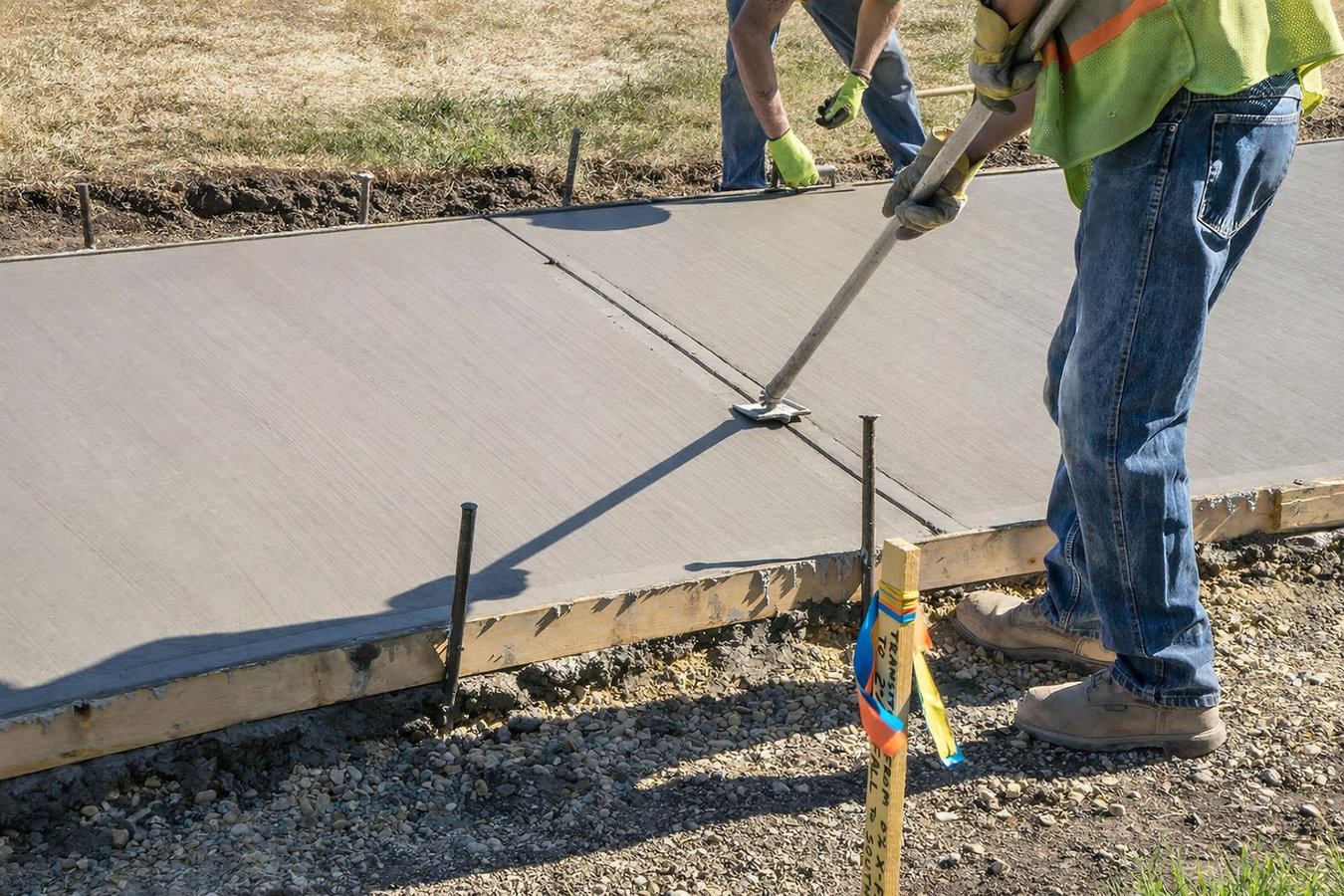
Concrete sidewalk building in Miami Gardens means removing the old surface, properly compacting the ground underneath, and pouring fresh concrete with the correct slope for drainage, and most residential walkway projects finish in one to three days with light foot traffic possible within 24 to 48 hours.
Many homeowners in Miami Gardens replace sidewalks because older sections have cracked, shifted, or started collecting standing water after every afternoon storm. This is common in a city where much of the housing stock dates from the 1950s through the 1980s - original concrete flatwork from that era is often overdue. If you are also looking at your driveway, our concrete driveway building service can be scheduled alongside walkway work. For an enclosed garage or utility slab, see our garage floor concrete service.
Small hairline cracks in concrete are normal and usually harmless. But if you see cracks wide enough to fit a pencil into, or cracks that have been patched before and keep reopening, the underlying slab has likely shifted or settled. In Miami Gardens, this often happens because the flat, moisture-heavy soil beneath older sidewalks slowly moves over time - patching the surface will not fix what is happening underneath.
If you walk across your sidewalk and feel it shift slightly, or if one section sits noticeably higher or lower than the next, the slab has settled unevenly. This is a tripping hazard, especially for older family members or young children. Uneven sections also collect standing water after Miami Gardens' frequent afternoon rains, which speeds up further deterioration.
Miami Gardens has mature tree canopies throughout many neighborhoods, and tree roots are one of the most common reasons sidewalks fail here. If you see the surface buckling upward, or roots growing along the edge of the slab, the damage will only get worse over time. Replacing the affected section and addressing the root situation is the only lasting fix.
If your sidewalk leaves small chips or powdery residue when you sweep, the top layer of the concrete has started to break down - a condition called spalling. In South Florida, this is often caused by years of heat, UV exposure, and moisture cycling. Once the surface starts flaking, water gets into the slab more easily and the deterioration accelerates.
We handle the full job: old concrete removal, utility line marking through 811, ground grading and compaction, form setting, pour, finishing, and cleanup. Every sidewalk gets control joints cut at the right intervals so the concrete has a planned place to flex rather than cracking randomly. We also build the correct drainage slope into every walkway so water runs away from the house - not toward your front door. The American Concrete Institute sets the standards we follow for mix strength, thickness, and curing - the same guidelines that separate a sidewalk lasting 30 years from one that needs replacing in five.
For homeowners who want their walkway to match a renovated driveway, we can work on both at once to keep the color and finish consistent. If you want a decorative finish on your walkway, stamped or brushed textures are available. We also build new paths where none currently exist - if guests are walking across your lawn because there is no defined route to the front door, we can fix that with a properly formed concrete driveway and sidewalk combination. For enclosed slabs like utility pads or garage floors, see our garage floor concrete service.
Best for properties where existing sections are cracked, shifted, or have root damage that makes patching a short-term fix.
Suited for homes without a defined front walkway, where a fresh concrete path from driveway to door adds both function and curb appeal.
Appropriate where isolated sections have failed but the rest of the slab is structurally sound and worth keeping.
Good for homeowners who want a sidewalk that matches a stamped patio or driveway in pattern and color.
Miami Gardens is built on very flat land with a high water table, and standing water after a storm is common throughout the city. A sidewalk that is not graded - slightly angled to direct water away from the house - becomes a puddle zone after every summer rain. Miami Gardens also gets the majority of its roughly 62 inches of annual rainfall between June and September, arriving in fast afternoon thunderstorms that can show up with little warning. Concrete cannot be poured in rain, and concrete that dries too fast in intense heat can develop surface cracks before it has hardened. Experienced local contractors know to schedule pours early in the morning and take steps to slow the curing process on hot days. If a contractor you are considering does not bring this up, ask them directly.
A large portion of Miami Gardens homes were built in the 1950s through the 1980s, which means original sidewalks in older neighborhoods have gone through decades of heat, moisture, and root intrusion. The flat, moisture-heavy soil here also moves more than soil in drier climates, which is why base compaction is so important before any pour. We serve homeowners throughout the area - including North Miami and Miramar - and we bring the same preparation to every job.
Reach out by phone or contact form and we respond within one business day. Tell us roughly how long the path is and whether you have existing concrete to remove - we will ask a few quick questions and schedule a free on-site visit.
We measure the area, check drainage and soil conditions, look at any trees or utilities nearby, and give you a written quote that breaks out removal, preparation, and the new pour separately - not a single number with nothing explained.
For most new sidewalk projects in Miami Gardens, we apply for a permit through Miami-Dade County before any work begins. This adds a few days to the timeline but means the finished work gets inspected and officially documented - useful if you ever sell the home.
The crew arrives early to beat the heat, sets forms, pours and finishes the surface with proper control joints and drainage slope, and walks you through the finished work. The permit inspection is coordinated by us - you do not need to be home for it in most cases.
Free on-site estimate. Written quote. We tell you honestly whether you need a repair or a full replacement.
(305) 810-8732Miami Gardens heat can cause concrete to dry too fast on the surface before it has hardened underneath, which leads to cracking under early foot traffic. We schedule pours for early morning and use curing compounds or blankets when needed to slow the drying process - a step that less experienced contractors skip.
Every sidewalk we pour is graded with a slight slope so water runs away from the house and toward the yard or street. On Miami Gardens' flat lots, this does not happen automatically - it has to be designed into the project from the start, and we do it on every job.
Miami-Dade County requires permits for most residential concrete work, and we handle that process from start to finish. The inspection record we leave behind is documentation that the work was done to code - which matters at resale and protects you from questions about unpermitted work.
Before any work starts, you receive a written quote that separates out demolition, ground preparation, and the new pour. That breakdown lets you compare quotes from other contractors on equal terms, and it means there are no awkward conversations about price at the end of the job.
You can learn about the 811 utility marking requirement before any digging starts - it is something every legitimate concrete contractor does automatically, and skipping it is a clear red flag. Those practices together are what separate a sidewalk that lasts through decades of South Florida weather from one that needs attention within a few years.
Concrete slabs for garages, utility pads, and enclosed areas built to handle South Florida humidity and vehicle loads.
Learn MoreFull driveway installations with proper base prep, drainage slope, and a finish built to last through Miami Gardens' weather.
Learn MoreSpots in the dry season fill up fast - call now to lock in your date before the summer rains arrive and the schedule tightens.