Loading...
Serving Miami Gardens, FL and surrounding areas. (305) 810-8732
Bad footings are invisible until a wall tilts or a door stops closing. We design footings for South Florida's shallow water table and sandy soil, handle Miami-Dade permits and inspections, and build what the structure above actually needs.
Concrete footings in Miami Gardens are the underground concrete base that holds up walls, columns, decks, and additions - dug to depth, reinforced with steel, poured after a county inspection, and cured before the structure above goes up. Most residential footing jobs take one to three days of active work and four to six weeks total, including Miami-Dade permitting.
South Florida soil - a mix of sand, limestone, and in some areas organic fill - can shift and compress under load in ways that soil in other parts of the country does not. Footings that are properly sized and placed here transfer the weight of your structure down to stable ground and keep everything above them level for decades. Skimping on depth or skipping rebar is one of the most common reasons additions and outbuildings in this area develop cracks within a few years. If your project also requires foundation installation, we can assess both scopes together so the footing work integrates correctly with the full foundation system.
Almost all footing work in Miami-Dade County requires a permit and a pre-pour inspection. We handle the application, coordinate with county inspectors, and schedule the final sign-off - so you are not chasing paperwork while trying to manage a construction project.
If new cracks appear in interior walls, tile floors, or exterior stucco after a major storm, the soil beneath your structure may have shifted or washed out. In Miami Gardens, where heavy summer rains are routine and the ground is sandy, this kind of movement is more common than homeowners expect. Cracks that appear or widen after wet weather are worth having a contractor look at - they can be an early sign that footings are undersized or have settled.
When a structure's foundation shifts even slightly, door frames and window frames go out of square. If a door that used to swing freely now drags on the floor, or a window that opened easily now sticks, the structure above the footings may be moving. This is one of the clearest early warnings homeowners can spot without any tools - and it often shows up first after a particularly wet rainy season.
In Miami-Dade County, most permanent structures - including sheds over a certain size, pergolas, carports, and room additions - require permitted footings before anything else is built. If you are planning any of these projects, footing work is the first step, not an optional one. A contractor can tell you exactly what is required for your specific project during the estimate.
If you can see daylight under a wall that used to sit flush with the ground, or if a wall or column looks like it is leaning, the footing beneath it may have failed. In Miami Gardens, this sometimes happens with older concrete block walls built before current code requirements were in place. A leaning wall is a safety issue, not just a cosmetic one - do not wait on this.
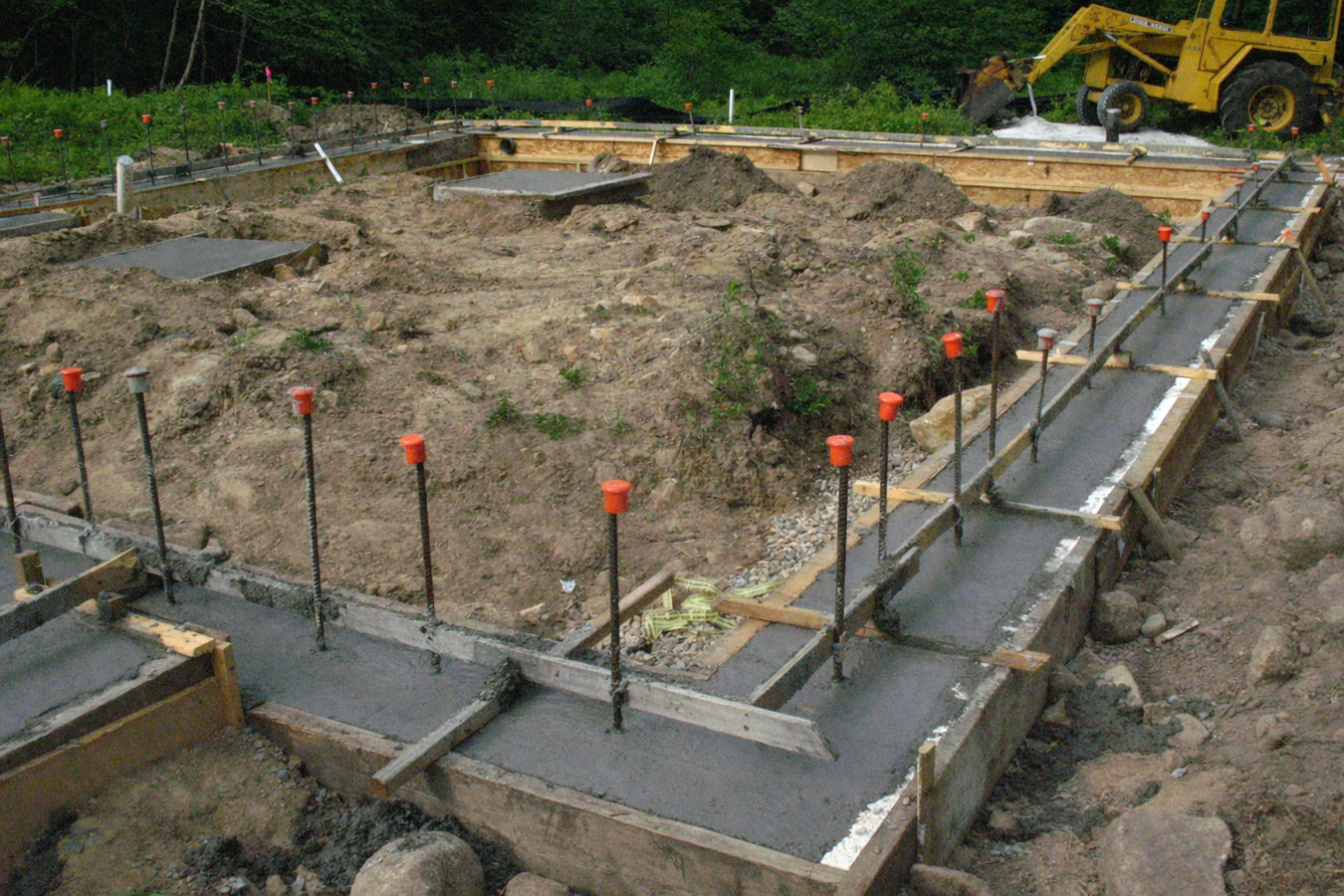
Every footing job starts with a site visit to assess soil conditions, access, and whether there are any groundwater or limestone issues that will affect depth and cost. Miami Gardens soil varies from block to block - some areas have soft, fill-heavy ground while others hit hard limestone just a few feet down. We assess your specific site before quoting a price, so the number you see reflects what your yard actually requires. Once permits are in hand, we dig to the approved depth, call 811 before any excavation to locate buried utilities, set forms, place rebar, and schedule the county pre-pour inspection. For projects that also involve foundation raising, footing work is often part of the same mobilization, and we coordinate both scopes to avoid scheduling overlap.
After the inspector approves the setup, we pour and protect the concrete during the curing period. Miami's heat means initial set happens quickly, but we follow recommended wait times before any framing loads go on. We close out the permit after the final inspection and walk you through what was done before we leave the site. If your project also requires foundation installation as the next phase, we can carry the same crew and documentation through both stages so nothing falls through the cracks between contractors.
For homeowners adding square footage to an existing home who need new footings that tie correctly into the current structure.
For smaller permanent structures in Miami Gardens that still require a permitted concrete base before any framing goes up.
For concrete block or poured walls on slopes or property edges that need engineered footings to carry lateral load and stay put through rainy season.
For existing structures showing signs of settlement, cracking, or movement where the original footings may be undersized or have failed over time.
Miami Gardens sits on the Miami Rock Ridge and surrounding low-lying areas where the water table is often just two to four feet below the surface. After heavy rain - which Miami Gardens gets for five or six months a year - that depth can shrink further. When crews excavate footing trenches here, they sometimes hit groundwater before reaching the required depth. An experienced local contractor plans for this with pumping equipment rather than treating it as a surprise billable item. Homeowners in North Miami and Hialeah face the same water table conditions, and we apply the same pre-pour groundwater management approach across all of our South Florida work.
Miami-Dade County has one of the most rigorous building codes in the country, shaped by decades of hurricane experience. Footings here must meet wind-load requirements that go beyond what most other Florida counties require - which means the depth, width, and reinforcing steel inside each footing are driven by engineering standards, not just rule of thumb. Many homes in Miami Gardens were built in the 1960s and 1970s, and some older additions or outbuildings were added without permits. If you are buying or renovating a home and cannot find permit records for an existing structure, the Miami-Dade County Building Department can help you pull historical permit records. You can also review footing and construction standards from the American Concrete Institute.
We visit your property, assess soil conditions and access, and ask about the structure you are building. We reply within one business day of your first inquiry. The written estimate breaks down labor, materials, and permit fees separately - so you are not comparing apples to oranges when you get multiple quotes.
We pull the building permit through Miami-Dade County on your behalf. Depending on the complexity of the project, the county may require engineered drawings. Permit review times typically range from a few days to a few weeks - your contractor will give you a realistic timeline before work begins.
Before any digging, we call 811 to locate underground utilities - required by Florida law and important for protecting your property. We dig to the approved depth, set forms, place reinforcing steel, and schedule the county pre-pour inspection. If groundwater is present, we pump before the pour.
The county inspector reviews the setup before the concrete goes in. Once approved, we pour and protect the surface during the curing period. In Miami's heat, concrete firms up quickly, but we follow the recommended wait time before loading. We close out the permit after the final inspection and walk the site with you.
No pressure - we assess your site, give you an itemized written quote, and answer your questions about permits and HOA requirements before you commit to anything.
(305) 810-8732We visit your property before quoting. Miami Gardens soil varies from soft organic fill to hard limestone within a few blocks, and a price that does not account for what is actually in the ground can balloon once digging starts. Our quote reflects your site conditions - not a national average.
The water table in Miami Gardens can sit just two to four feet below the surface - lower after a wet period. We include groundwater management in our planning, not as a surprise add-on. Our crews arrive with the equipment needed to pump before the pour, and we account for that step in the original timeline.
Miami-Dade County inspectors review rebar placement and footing dimensions before concrete is poured. We know exactly what inspectors look for in this county because we work here regularly. We do not cut corners on the pre-pour steps, which means no rework, no delays, and no extra permit fees for re-inspections.
We apply for the building permit, coordinate inspections, and can advise on HOA sign-off requirements - a step that many contractors skip, which leads to stop-work orders even on fully permitted jobs. The South Florida Water Management District publishes useful local hydrology data for homeowners who want to understand groundwater conditions in this area.
Footing work is invisible once the project is done - but it determines whether the structure above it stays level and solid for decades or starts showing problems within a few years. In South Florida, where the soil and water table create conditions that do not exist most places, that invisible work matters more than it would almost anywhere else.
Lifting and releveling existing foundations that have settled or shifted, often coordinated with new footing work on the same property.
Learn MoreFull residential foundation installation for new construction or major additions, building on the same permitted footing process.
Learn MorePermit-ready crews available now - beat the rainy season backlog and lock in your start date before the summer schedule fills up.