Loading...
Serving Miami Gardens, FL and surrounding areas. (305) 810-8732
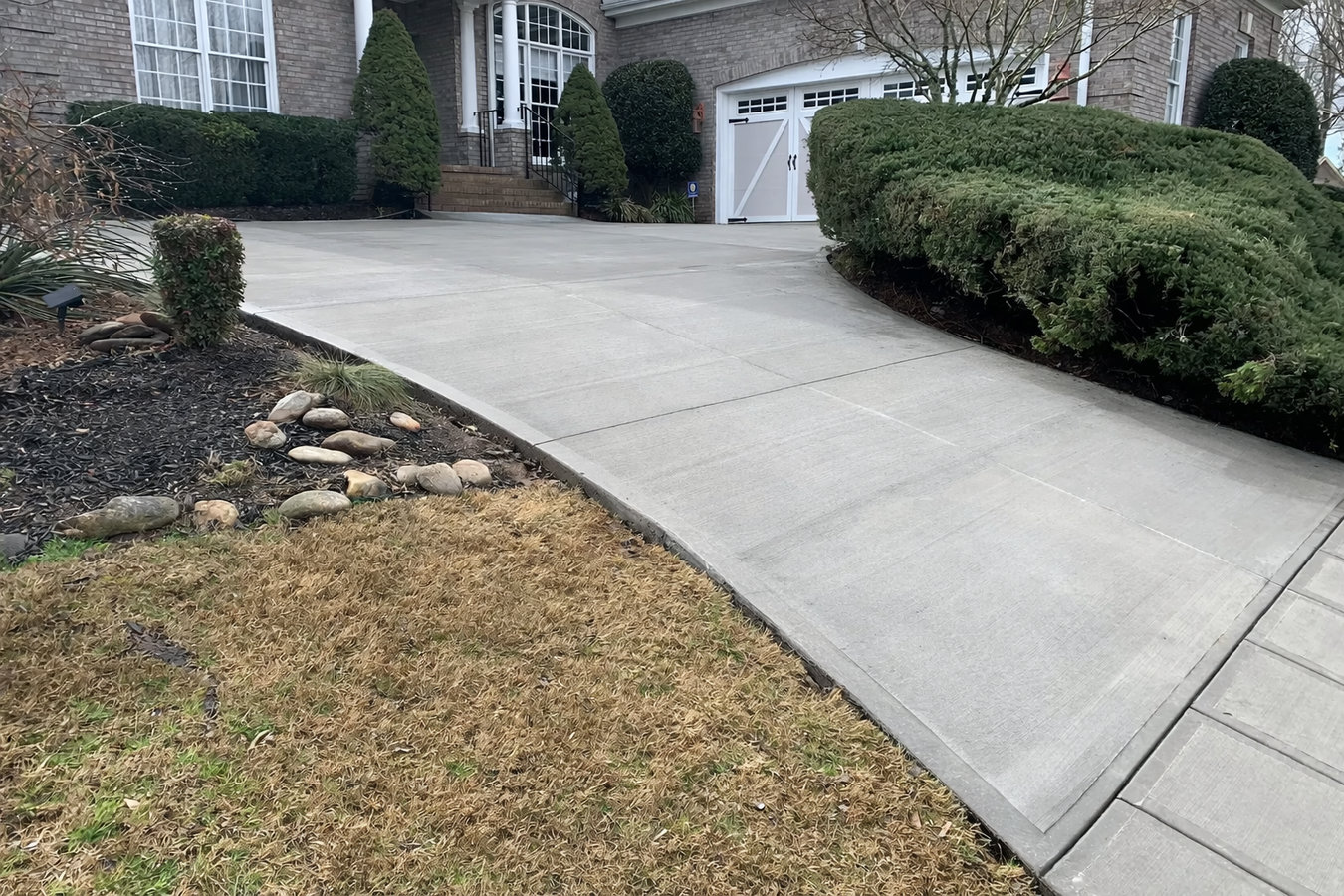
PaveLine Miami Gardens Concrete is a concrete contractor serving Miami Gardens, FL with driveway building, patio construction, and slab foundation work. Our crew has worked throughout Miami Gardens since 2024 and we respond to new project requests within one business day.
PaveLine Miami Gardens Concrete is a concrete contractor serving Miami Gardens, FL with driveway building, patio construction, and slab foundation work. Our crew has worked throughout Miami Gardens since 2024 and we respond to new project requests within one business day.
Most Miami Gardens homes were built in the 1950s and 1960s on small lots with original concrete driveways that are now 60-plus years old. When cracks widen, sections sink, or water starts pooling near the garage, a new pour is usually the right call. We handle concrete driveway building in Miami Gardens from permit to final inspection - including proper base preparation for the sandy, moisture-prone soil common in Miami-Dade County.
Miami Gardens has near-perfect outdoor weather most of the year, and a concrete patio turns a bare backyard into a usable living space. Whether you want a plain broom-finish surface or a decorative stamped design, the slab needs to slope correctly so heavy summer rain runs away from your foundation, not toward it.
Virtually every home in Miami Gardens sits on a concrete slab - there are no basements here because the water table is too high. New additions, garages, and accessory structures all need a properly poured slab with the right thickness and reinforcement to stay level through South Florida's wet seasons.
Pool decks in Miami Gardens get used almost every month of the year, and they take a beating from chlorine splash, bare feet, and relentless UV exposure. A properly textured and sealed concrete pool deck stays slip-resistant and cool enough to walk on even during the hottest South Florida afternoons.
Stamped concrete lets Miami Gardens homeowners get the look of brick, stone, or tile without the cost or maintenance of the real thing. The finished surface is one solid piece, which means no weeds growing between joints and no pavers shifting after a heavy rain.
Cracked or uneven sidewalks are a tripping hazard and a liability concern, especially on properties that see regular foot traffic. In Miami Gardens, where roots from mature trees can lift slabs over time, repairs and replacements come up regularly in older neighborhoods.
Most homes in Miami Gardens were built in the 1950s and 1960s, which means the concrete driveways, walkways, and slabs on those properties are 60 to 70 years old. At that age, surface deterioration, base settlement, and cracking are not exceptions - they are the rule. Miami-Dade County sits on sandy soil over porous limestone bedrock, a combination that drains quickly but shifts more than denser soils in other parts of the country. A slab poured on an improperly prepared base in this soil will crack and settle within a few years, which is why base preparation matters as much as the pour itself.
The climate adds another layer of pressure. Miami Gardens averages about 60 inches of rain per year, most of it falling in intense afternoon storms from June through October. That repeated soaking finds every weak spot in a driveway or slab. Year-round UV exposure - intense at this latitude even in December - breaks down unsealed concrete surfaces faster than in cooler states. A concrete contractor who has worked in Miami-Dade County regularly knows how to build for these conditions: proper base compaction, correct drainage slopes, appropriate slab thickness, and sealers rated for high-UV environments.
Our crew works throughout Miami Gardens regularly, and we understand the local conditions that affect concrete work here. We pull permits through the Miami-Dade County Building Department and are familiar with the review timelines and inspection requirements the county applies to flatwork, foundations, and structural concrete. We know that a large share of Miami Gardens neighborhoods are in HOA-governed communities - we ask about association requirements before any work begins, not after.
Miami Gardens is a dense, largely residential city built on a grid of postwar streets, and we know the neighborhoods well - from the old Carol City blocks near Miami Carol City Senior High School to the areas closer to Hard Rock Stadium. Florida Memorial University sits in the city as well, and we work on properties near there too. The housing stock is remarkably consistent throughout - concrete block construction, slab foundations, flat or low-pitched roofs, and small lots with concrete driveways. That consistency means we know what to expect before we arrive.
We also serve North Miami and other nearby communities, and that broader familiarity with South Florida building conditions makes us more effective in Miami Gardens specifically. If you are in Hialeah or another adjacent area, we cover those neighborhoods too.
Reach out by phone or through our contact form and describe what you need. We respond to all new project inquiries within one business day and will ask a few basic questions to understand the scope before scheduling a site visit. No cost, no commitment at this stage.
We visit your property to measure the area, check the ground conditions, and discuss your goals. You leave with a written estimate that specifies the scope, slab thickness, whether permits are required, and a clear payment schedule - no surprises after work starts.
For most concrete projects in Miami-Dade County, we pull the required permit before any work begins. This adds about one to two weeks to the timeline but means the job is inspected and documented - protecting you when you sell your home or deal with your insurance company.
Work typically takes one to three days. After the pour, concrete needs seven to twenty-eight days to cure fully before vehicle traffic. We do a final walkthrough with you to confirm the surface, drainage slope, and edge quality meet the agreed spec before we close out the permit.
We serve all of Miami Gardens, FL and respond within one business day. No high-pressure sales - just a clear quote and honest work.
(305) 810-8732Miami Gardens was incorporated as a city in 2003, but its neighborhoods were built decades earlier - primarily in the 1950s and 1960s as postwar South Florida expanded outward from Miami. Today it is the third-largest city in Miami-Dade County, with a population of around 115,000 residents spread across roughly 20 square miles of almost entirely built-out residential land. The city is best known outside South Florida as the home of Hard Rock Stadium, where the Miami Dolphins play and major events like the Formula 1 Miami Grand Prix are held. Miami Gardens is also home to Florida Memorial University, one of the oldest historically Black universities in Florida, and the community has a strong sense of local identity that predates incorporation - many longtime residents still refer to their neighborhood as Carol City.
The housing stock here is largely single-family concrete block homes from the mid-twentieth century, with flat or low-pitched roofs, stucco exteriors, and slab foundations. Most lots are under a quarter acre with concrete driveways and modest yards. That building profile means contractors working here regularly see aging flatwork, cracked slabs, and drainage issues that have built up over decades. Nearby areas like North Miami and Hialeah share similar postwar housing stock and concrete maintenance needs, and we serve those communities as well.
Get a durable, professionally poured concrete driveway built to last.
Learn MoreAdd beauty and texture with decorative stamped concrete finishes.
Learn MoreSafe, level concrete sidewalks installed for homes and businesses.
Learn MoreSmooth, level concrete floors installed for any interior space.
Learn MoreSafe, attractive concrete steps built to code and specification.
Learn MoreSolid concrete slab foundations poured for new construction projects.
Learn MoreHeavy-duty concrete parking lots built for commercial properties.
Learn MoreWe serve all of Miami Gardens, FL - call now or send us a message and we will get back to you within one business day. The longer cracks and settlement go unaddressed, the more expensive the repair.