Loading...
Serving Miami Gardens, FL and surrounding areas. (305) 810-8732
PaveLine Miami Gardens Concrete is a concrete contractor serving Coral Springs, FL with stamped concrete, driveway building, and pool deck installation for the city's planned communities and canal-adjacent homes. We handle Broward County permits and HOA approvals, and we respond to new project requests within one business day.
PaveLine Miami Gardens Concrete is a concrete contractor serving Coral Springs, FL with stamped concrete, driveway building, and pool deck installation for the city's planned communities and canal-adjacent homes. We handle Broward County permits and HOA approvals, and we respond to new project requests within one business day.
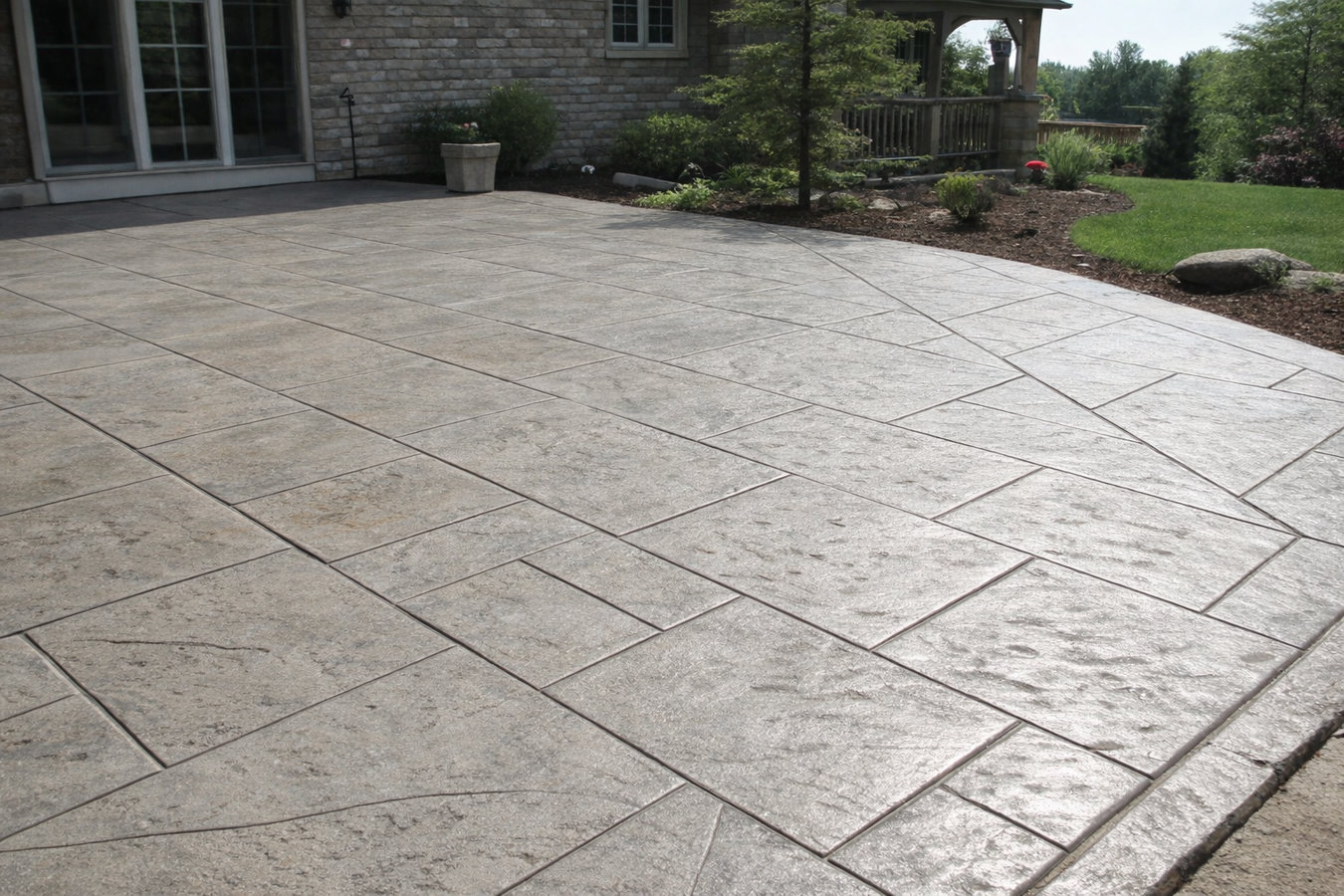
Stamped concrete is a practical choice for Coral Springs homeowners who want the look of stone or pavers without the weed growth and shifting that comes with individual pieces on this city's sandy, high-moisture soil. For HOA communities, a stamped finish in an approved color is often simpler to get cleared than a non-standard paver style. Learn more about our stamped concrete services and the finish options that hold up in South Florida's heat and rain.
Most driveways in Coral Springs were poured during the city's 1970s and 1980s build-out, putting them at 35 to 50 years old today. The flat terrain and canal-influenced water table mean driveways that were not graded correctly have spent decades collecting standing water - which accelerates cracking and soil movement underneath. We build drainage slope into every new pour so water moves to the street, not toward the garage.
Pool ownership is widespread in Coral Springs, and decks that have gone without resealing through several South Florida summers often show it - faded color, cracked surfaces, and areas that have become slippery when wet. We resurface and replace pool decks with slip-resistant finishes and UV-rated sealers built for South Florida's inland heat, which runs hotter than coastal cities nearby.
Many Coral Springs lots back up to canals or retention ponds, and the soil along those edges erodes as water levels rise and fall through wet and dry seasons. A concrete retaining wall along the canal side of the lot stabilizes the bank, protects the yard from erosion, and gives the property a cleaner finished edge - practical and visible from the water-facing side of the lot.
Coral Springs homeowners use back patios year-round - roughly 70 percent of households here are owner-occupied, and outdoor living space is a real part of daily life in this family-oriented city. A concrete patio handles South Florida's 60-plus inches of annual rainfall without shifting, warping, or becoming a drainage problem behind the house.
Coral Springs sits on flat, porous soil with a water table that sits close to the surface in many neighborhoods. New additions, sheds, and accessory structures here need slabs built with that in mind - proper compaction, the right thickness, and enough reinforcement to stay level as the ground moves through wet seasons. A slab poured on unprepared ground in this city will show problems within a few years.
Coral Springs was developed between the late 1960s and the early 1990s as a master-planned community, and the bulk of the housing stock is now 35 to 55 years old. That age range puts driveways, pool decks, and patios across the city in replacement or major-repair territory. The homes themselves - mostly single-family concrete block structures with stucco exteriors and tile roofs - hold up well, but the flatwork around them faces a different set of pressures. The city averages about 60 inches of rain per year, nearly all of it arriving in heavy afternoon thunderstorms between June and September. Surfaces that were not graded correctly when originally poured, or that have never been resealed, have absorbed years of that water load and show it in cracking, settling, and drainage problems.
The soil is a separate issue entirely. Coral Springs is built on flat, sandy land at the western edge of Broward County, right where the suburbs meet the edge of the Everglades drainage basin. The water table in many neighborhoods sits close to the surface, and the canal network that runs through the city means soil moisture levels fluctuate significantly through wet and dry seasons. Slabs poured on unprepared bases shift as the ground moves - driveways crack, pool decks collect standing water at one end, and walkways develop trip hazards. The fix for all of this is proper base preparation before the new pour, which is what keeps the same problems from recurring in five to ten years. A concrete contractor who works regularly in Coral Springs understands what this soil does through a typical South Florida rainy season and builds accordingly.
Our crew works throughout Coral Springs regularly, and we pull permits through the City of Coral Springs Building Department, which handles permitting for work within city limits. Coral Springs has its own permitting office separate from Broward County unincorporated areas, and review timelines here differ from neighboring cities. We account for that in every project schedule from the start, so there are no delays once the crew is ready.
Because Coral Springs was built as a planned community, a large share of its neighborhoods have active homeowners associations. Communities across the city have rules about what colors, patterns, and finishes are acceptable for exterior concrete work - driveways, patios, and pool deck surfaces visible from the street or adjacent lots. We ask about HOA requirements at the estimate visit, before any design choices are made, because learning about restrictions after the concrete has been poured is a situation nobody wants to be in.
The city's landmark institutions - the Coral Springs Center for the Arts and Mullins Park - are reference points our crew passes regularly on jobs across the city's neighborhoods, from the central areas near those landmarks to the western edge where newer construction backs up against the Everglades. We also serve neighboring Pompano Beach to the east and Pembroke Pines to the south - both share similar soil and climate conditions with Coral Springs.
Contact us by phone or through the form. We respond to all Coral Springs project inquiries within one business day. Describe what you need and roughly where on the property - you do not need measurements yet.
We visit the property to measure, check drainage and soil conditions, and walk through finish options with you. For HOA communities, we ask about approval requirements at this stage. You leave the visit with a written quote and a clear cost breakdown.
We file for the required building permit with the City of Coral Springs before any work begins. You do not handle any paperwork. Permit review typically takes one to two weeks, which we build into the project timeline from the start.
The crew handles site preparation, the pour, finish work, and sealing. After the required city inspection, we walk through the finished project with you - covering maintenance, resealing schedule, and what to expect during the first month of curing. You need to be available for the walkthrough, but not for the work itself.
We serve all of Coral Springs, FL - from the HOA communities near Mullins Park to the canal-adjacent lots on the city's western edge. Call or fill out the form and we will respond within one business day.
(305) 810-8732Coral Springs is a master-planned city in western Broward County, developed starting in 1963 and built out through the early 1990s. With roughly 134,000 residents and a homeownership rate around 70 percent - high for a South Florida city - it is one of the most stable, family-oriented communities in the region. The city is home to the Coral Springs Center for the Arts, Mullins Park - the city's largest and most-used recreational space - and the Coral Springs Museum of Art. Coral Springs sits about 30 miles north of Miami and roughly 20 miles west of Fort Lauderdale's coast. Its inland location, right at the edge of the Everglades drainage basin, means it runs hotter in summer than beachside Broward cities and gets the full force of afternoon thunderstorms with no ocean breeze to moderate the heat.
The housing stock is almost entirely single-family homes with concrete block structures, stucco exteriors, and tile roofs - the standard Florida construction style from the 1970s and 1980s. A large number of properties back up to the city's extensive canal network or retention ponds, which creates specific drainage and soil-moisture conditions that affect concrete work differently than lots without water behind them. The city's planned-community character means most neighborhoods have HOAs, uniform lot sizes ranging from about 6,000 to 10,000 square feet, and consistent exterior standards that homeowners need to account for before any visible concrete project begins. We also serve nearby Pompano Beach to the east, which shares Coral Springs' Broward County location but has a different mix of older coastal properties and commercial corridors.
Get a durable, professionally poured concrete driveway built to last.
Learn MoreAdd beauty and texture with decorative stamped concrete finishes.
Learn MoreSafe, level concrete sidewalks installed for homes and businesses.
Learn MoreSmooth, level concrete floors installed for any interior space.
Learn MoreSafe, attractive concrete steps built to code and specification.
Learn MoreSolid concrete slab foundations poured for new construction projects.
Learn MoreHeavy-duty concrete parking lots built for commercial properties.
Learn MoreFrom stamped driveways to pool decks and retaining walls along canal lots, our crew knows Coral Springs properties and the conditions that affect concrete here. Call or submit the form - we will respond within one business day.