Loading...
Serving Miami Gardens, FL and surrounding areas. (305) 810-8732
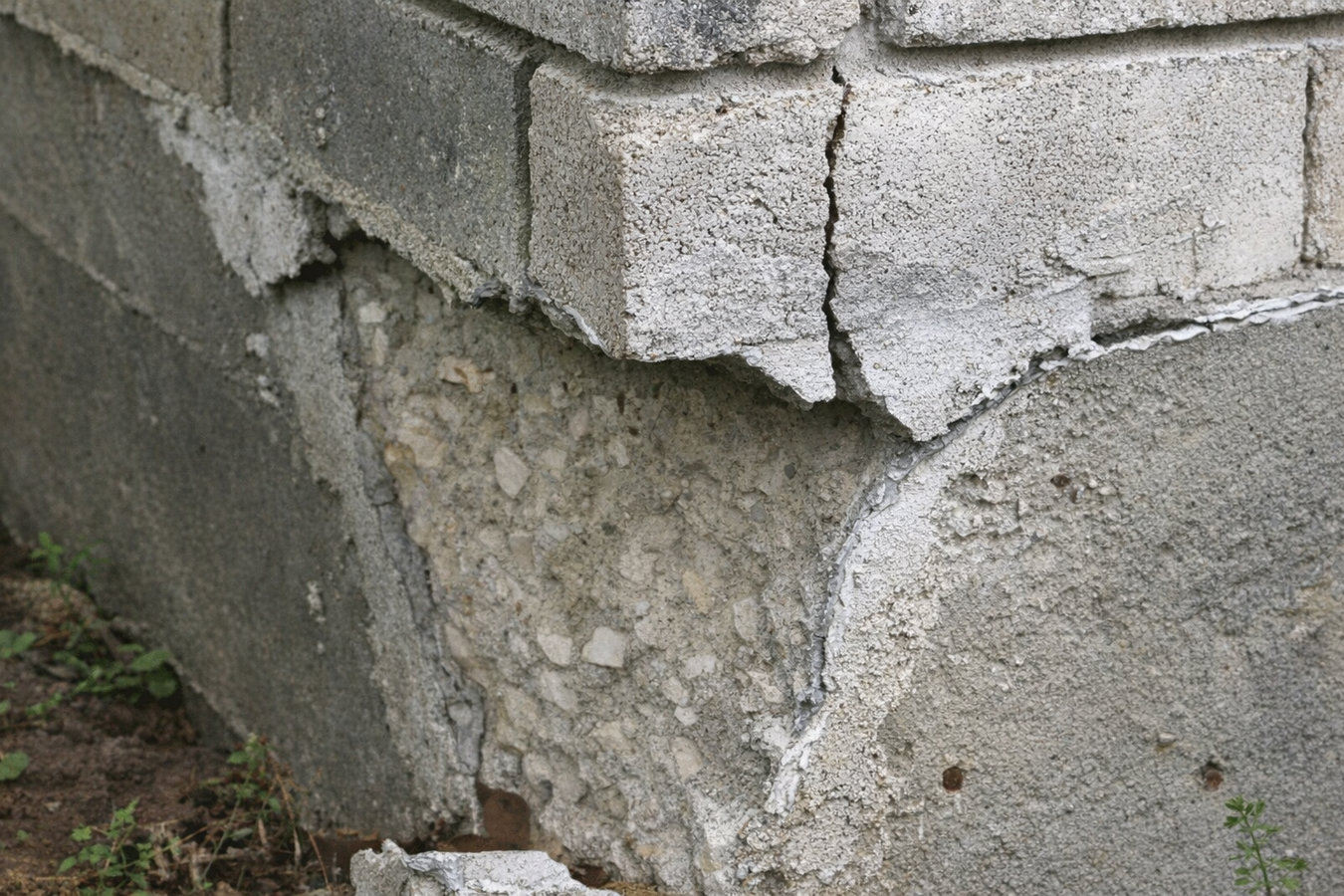
A sunken slab in Miami Gardens only gets worse through rainy season. We lift settled foundations using the right method for South Florida soil, handle Miami-Dade permits, and back the work with a written warranty.
Foundation raising in Miami Gardens is the process of lifting a sunken concrete slab back to its original level - small holes are drilled through the concrete, material is pumped underneath to fill voids and push the slab up, and the holes are patched before the crew leaves. Most residential jobs are completed in a single day, and many are done in just a few hours.
If your floors feel uneven, doors are sticking, or you have noticed cracks appearing along walls, your home may be telling you the slab beneath it has shifted. That kind of movement is common in Miami Gardens, where sandy soil and a high water table create conditions that cause even well-built foundations to settle over time. The good news is that a slab that has simply dropped out of position is very different from one that is crumbling - and raising costs far less than full replacement. If your project also involves broader slab foundation work, we can assess both needs together so nothing gets missed.
We assess the root cause before recommending any method. Lifting a slab without understanding why it sank means it will likely sink again. A good inspection, a clear explanation, and a written estimate are the starting point for every job we take on.
If a door that used to swing freely now drags on the floor or refuses to latch, your home may be telling you the foundation beneath it has shifted. In Miami Gardens, this symptom often appears gradually - a little stiffness at first, then a door that simply will not close at all. It is easy to blame the humidity, but if the problem is getting worse over time, the foundation is worth a professional look.
Diagonal cracks near door frames or windows, or tiles that have cracked and popped up in a line, are classic signs that the slab beneath your home has moved unevenly. Miami Gardens homes built on sandy fill soil are especially prone to this kind of cracking as the ground shifts through wet and dry seasons. A pattern of cracks - or cracks that are growing - deserves attention sooner rather than later.
Walk slowly through your home and pay attention to any area that feels like it dips slightly underfoot. In older Miami Gardens homes from the 1960s and 1970s, this kind of gradual settling is common and often goes unnoticed for years. If you place a marble on the floor and it rolls consistently toward one corner, that is a simple way to confirm what you are feeling.
Miami Gardens receives over 60 inches of rain per year, and if water consistently collects against the side of your home after a storm, it is slowly saturating the soil beneath your slab. Over time, that repeated soaking and drying erodes the support under your foundation. Standing water near your home's perimeter that takes more than a day or two to drain is worth having a contractor assess.
Every job starts with an on-site assessment - not just a look at the visible symptoms, but the soil conditions, drainage patterns, and the overall state of the slab. In Miami Gardens, a good contractor will also ask about your home's age and any past flooding or drainage issues, because those factors directly shape what caused the problem. We offer both mudjacking (pumping a cement-and-soil slurry under the slab) and polyurethane foam injection (pumping a lightweight expanding foam). Foam cures within 15 minutes and holds up better in South Florida's wet conditions - mudjacking takes 24 to 48 hours to fully set. We recommend the right method for your specific slab, not the one that is easier to sell. For jobs that also require concrete cutting to access under-slab areas or address related drainage problems, we coordinate both scopes so you are not managing two separate contractors.
Once the lift is complete, the drill holes are patched with concrete, the crew walks you through the result, and we provide a written warranty before packing up. If Miami-Dade County requires a permit for your job - which it may for structural slab repairs - we handle the application and inspection coordination so you are protected when it comes time to sell or refinance. For homes where the slab settlement points to a broader foundation concern, we can also discuss slab foundation building as a longer-term solution.
For homeowners who want a cost-effective lift and can wait 24 to 48 hours before using the surface again.
For homeowners who need a faster cure, a lighter material load on the soil, and better long-term performance in South Florida's wet conditions.
For homeowners who want to understand the root cause of their slab movement before committing to a repair method.
For homeowners who need Miami-Dade County documentation on file - particularly useful before selling or refinancing a home.
Miami Gardens sits on sandy, porous soil with one of the highest water tables in the country - groundwater can sit just a few feet below the surface year round. Every time heavy rain saturates the ground and a dry period follows, that soil expands and contracts. Over years, that cycle erodes the support beneath your slab. A large share of homes in Miami Gardens were built between the 1960s and 1980s, when soil preparation techniques were less rigorous than they are today. Slabs from that era were often poured on minimally compacted fill, which means settling is not a sign of neglect - it is a predictable result of age and local conditions. Contractors who work in North Miami and Hialeah deal with identical soil and water table conditions, and we apply the same approach across all of our South Florida foundation work.
Hurricane season (June through November) brings the heaviest soil saturation of the year. Many Miami Gardens homeowners schedule foundation work during the dry season - roughly December through April - when the ground is more stable and conditions are better for the repair to set properly. Getting the work done before hurricane season also means your foundation is in its best shape heading into the months when storm-related flooding is most likely. The Florida Geological Survey documents the sandy soil conditions across Miami-Dade that make this kind of foundation movement common throughout the region.
When you reach out, we ask a few basic questions - what you are seeing, where in the home, and roughly how long it has been going on. This helps us come prepared with the right equipment. We respond to new inquiries within one business day and can typically schedule an initial visit within a few days.
A qualified contractor walks your property and looks at the affected areas carefully - not just the visible symptoms, but soil conditions, drainage patterns, and the overall condition of the slab. At the end of the visit, we explain what we found in plain language and give you a written estimate you can compare with others.
If the job requires a Miami-Dade County permit for structural work, we handle that process and give you a realistic timeline. Once the permit is in hand, we schedule the work day and tell you exactly what to prepare. There are no surprises about cost or scope between the estimate and the start of the job.
The crew drills small holes through the slab, pumps material underneath until the concrete rises back to level, and patches the holes before leaving. If foam injection was used, you can walk on the surface within 15 to 30 minutes. We provide a written warranty and walk you through what to monitor in the months ahead.
No pressure, no sales pitch. We visit your property, explain what we find, and give you a written estimate you can compare. Most calls are returned within one business day.
(305) 810-8732A lot of contractors pump material under a slab and leave. We assess why the slab sank before recommending any method - because a lift that does not address the root cause will need to be redone. Our written warranty only means something if the repair actually holds.
Many Miami Gardens homeowners have been told they need a full foundation replacement when raising was all that was required - or vice versa. We show you the condition of your slab, explain our recommendation clearly, and give you a written estimate to compare. If replacement is genuinely the right call, we will tell you that honestly.
Unpermitted structural work is one of the most common deal-killers in Miami-Dade real estate transactions. When a permit is required, we pull it and handle inspection coordination - so you have county documentation on file protecting your home's value. The Miami-Dade Building Department records every permitted job, and buyers and lenders can verify the work was inspected.
You should not have to rearrange your life for a foundation repair. In most cases, our crew arrives in the morning and is finished before dinner - no multi-day disruption, no heavy equipment tearing up your yard. Miami Gardens homeowners are busy, and we respect that.
Every one of these points comes back to the same thing - doing the job right the first time so you are not dealing with the same problem again two years from now. South Florida conditions are hard on foundations, and the right contractor makes the difference between a repair that holds and one that does not.
Precise saw cuts to open slabs for drainage, utility access, or damaged section removal - often the first step before a foundation repair.
Learn MoreFull slab pours for new construction or replacement when a raised foundation is not the right long-term solution for your property.
Learn MoreMiami Gardens homeowners who act before June avoid the worst soil conditions of the year - and the longest contractor wait times. Call or request an estimate today.