Loading...
Serving Miami Gardens, FL and surrounding areas. (305) 810-8732
PaveLine Miami Gardens Concrete serves Miami, FL with concrete floor installation, driveway building, slab foundations, and pool decks. We work throughout the city, pull Miami-Dade County permits on every job, and respond to new project inquiries within one business day.
PaveLine Miami Gardens Concrete serves Miami, FL with concrete floor installation, driveway building, slab foundations, and pool decks. We work throughout the city, pull Miami-Dade County permits on every job, and respond to new project inquiries within one business day.
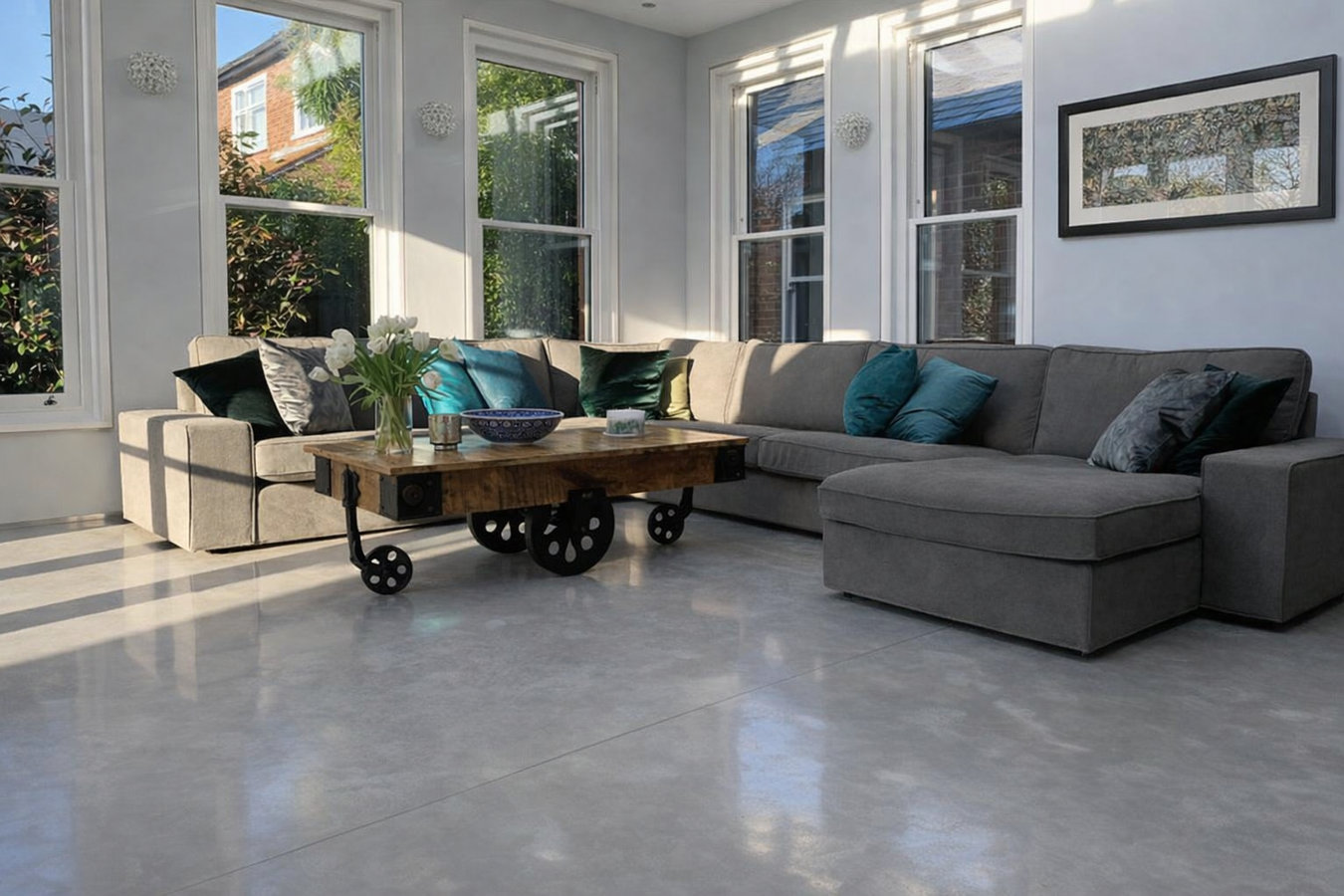
Miami homes built in the 1950s through 1980s frequently have garage slabs, carport pads, and utility room floors that were poured without the moisture barriers now considered standard in South Florida. When those floors start showing damp spots, white chalky residue, or surface flaking, a replacement pour with proper vapor protection is the right call. We handle concrete floor installation throughout Miami with full Miami-Dade County permitting and moisture management built into every pour.
Miami's older residential neighborhoods - Little Havana, Flagami, Allapattah, and Westchester - are full of driveways poured decades ago on sandy soil without adequate base compaction. When cracks widen or sections sink, patching only delays the problem. A properly graded new pour handles Miami's heavy rain season and stays level through the years.
Miami does not have basements. Every home, addition, and accessory structure sits on a concrete slab, and properties in the city's older neighborhoods often have slabs poured before current moisture and reinforcement standards were in place. New additions, garage conversions, and replacement slabs all require proper Miami-Dade County permits and inspections.
Miami's outdoor living season is essentially year-round, and pool decks take constant punishment from chlorine splash, UV exposure, and foot traffic. A textured or broom-finished concrete deck stays cooler and more slip-resistant than bare concrete, and it holds up longer than pavers in Miami's wet climate, where joints between pavers collect standing water and shift over time.
In Miami's dense residential neighborhoods, where lots are often under 6,000 square feet, a concrete patio is one of the most efficient ways to create usable outdoor space. The slab must slope correctly so Miami's heavy afternoon rainstorms drain away from the home's foundation - a detail that is easy to overlook and costly to fix after the pour.
Miami homeowners in neighborhoods like Coconut Grove, Coral Way, and parts of Brickell and Edgewater often want outdoor surfaces that match the character of older or higher-end properties. Stamped and stained concrete can replicate the look of natural stone or tile without the maintenance challenges those materials face in South Florida's heat and salt air.
Miami has roughly 440,000 residents, and the housing stock in most of its established neighborhoods dates to the postwar boom of the 1950s through 1980s. Homes in Little Havana, Flagami, Allapattah, and similar areas are typically concrete block construction - solid and well-suited to South Florida's climate, but aging in ways that affect driveways, patios, garage slabs, and foundations. The soil under most Miami residential properties is sandy over porous limestone, with a water table that sits relatively close to the surface. Concrete poured on that soil without proper base compaction and a vapor barrier will show the effects within a few years - cracking, sinking, or pushing moisture upward through the slab into the finished floor above.
Miami averages about 62 inches of rain per year - nearly double the national average - and almost all of it falls between May and October in fast, heavy afternoon storms. That repeated soaking tests every weak spot in concrete flatwork and finds its way under any slab that was not properly sealed or graded. The city also sits close enough to the ocean that salt air affects metal components on exterior work - fasteners, reinforcement near the surface, and any exposed hardware - faster than in inland areas. Concrete work in Miami needs to account for these conditions from the start, not as an afterthought. Knowing Miami-Dade County's permitting process, inspection requirements, and common soil challenges is part of what separates a contractor who works here regularly from one who does not.
Our crew works throughout Miami regularly, and we understand the local conditions that affect concrete work across the city. We pull permits through the Miami-Dade County Building Department and are familiar with their inspection timelines and requirements for both flatwork and structural concrete. Miami's neighborhoods vary considerably in terms of lot size, housing age, and access - the older blocks in Little Havana and Flagami have small lots and tight street access, while newer construction in Doral and Kendall has more room to work. We adjust our approach based on what the specific site and soil conditions require.
Miami is a large city, and different parts of it present different working conditions. Properties near the coast deal with salt air that affects exposed metal components faster than those inland. Neighborhoods like Coconut Grove have older tree canopies whose roots can shift slabs over time. Areas in the urban core near Calle Ocho and Allapattah have dense street parking and limited staging space. We plan around these realities before we arrive, not after.
We also serve the broader metro area. If your project is in Doral or across the border in Hialeah, we cover those areas under the same permit process and standard of work.
Call or submit a message online. We respond within one business day, ask a few basic questions about the scope and property address, and schedule a free on-site visit before providing any written estimate - because Miami lots vary too much to quote accurately without seeing the site.
We assess the site, soil, drainage, and access in person. Your written quote breaks out base preparation, moisture barrier, permit fees, and labor separately - so you can compare it clearly against other bids and know exactly what you are paying for before any work begins.
We submit the permit application to Miami-Dade County and handle all follow-up. Once approved, the crew prepares the ground, installs the vapor barrier and reinforcement as required, and schedules the pour for early morning to beat Miami's afternoon rain and heat.
After the pour, the floor cures for at least seven days before any significant use - and we coordinate the Miami-Dade County inspection that closes out the permit. You receive documentation that the work was inspected and approved, which stays with your home permanently.
We serve homeowners throughout Miami, FL. We respond within one business day and always visit the site before quoting - no guesswork, no surprises on the final bill.
(305) 810-8732Miami is the second-largest city in Florida, home to roughly 440,000 residents within city limits and the center of a metro area that spans more than 6 million people across Miami-Dade, Broward, and Palm Beach counties. The city is made up of dozens of distinct neighborhoods, each with its own character and housing type. Little Havana and Flagami are dense residential areas of single-family concrete block homes on small lots. Coconut Grove has older tree-lined streets and a mix of historic bungalows and newer infill construction. Wynwood and Edgewater have seen significant redevelopment, with newer multi-family buildings alongside warehouses converted to commercial use. Brickell and downtown Miami are dominated by high-rise condominiums built largely in the 2000s and 2010s. The City of Miami falls entirely within Miami-Dade County, so all building permits and inspections run through the county building department regardless of which neighborhood a project is in.
For concrete work specifically, the neighborhoods where demand is highest tend to be the older, owner-occupied residential areas: Little Havana, Flagami, Allapattah, Westchester, and parts of Coconut Grove. These areas have housing stock from the 1950s through 1980s, concrete block construction throughout, and original driveways, patios, and garage slabs that in many cases have not been updated since they were first poured. Nearby suburbs like Doral and Hialeah have similar soil conditions and building stock and are also part of our regular service area.
Get a durable, professionally poured concrete driveway built to last.
Learn MoreAdd beauty and texture with decorative stamped concrete finishes.
Learn MoreSafe, level concrete sidewalks installed for homes and businesses.
Learn MoreSmooth, level concrete floors installed for any interior space.
Learn MoreSafe, attractive concrete steps built to code and specification.
Learn MoreSolid concrete slab foundations poured for new construction projects.
Learn MoreHeavy-duty concrete parking lots built for commercial properties.
Learn MoreCall PaveLine Miami Gardens Concrete today or submit a request online. We serve all of Miami, FL, respond within one business day, and always visit your site before giving you a price.